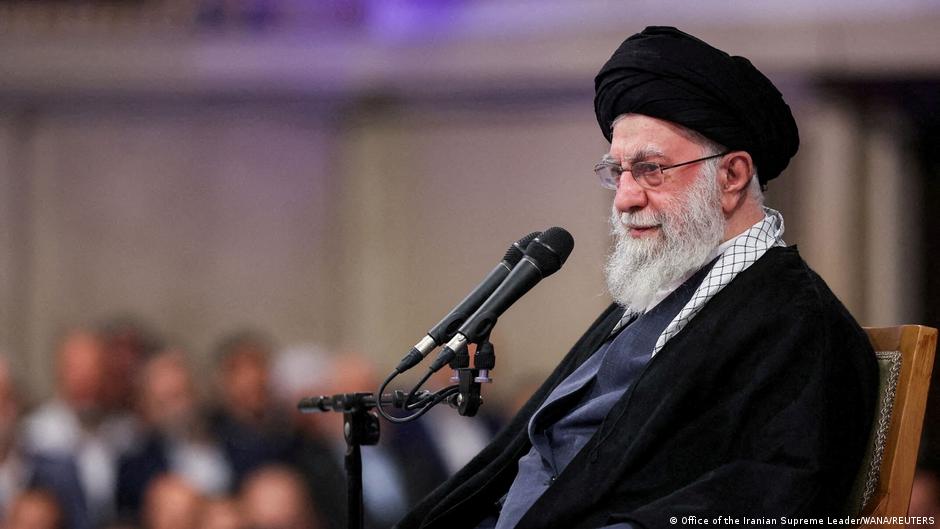
Iran's supreme leader dead at 86: Who was Ali Khamenei?
Deutsche Welle • 2/28/2026 – 3/1/2026
Summary
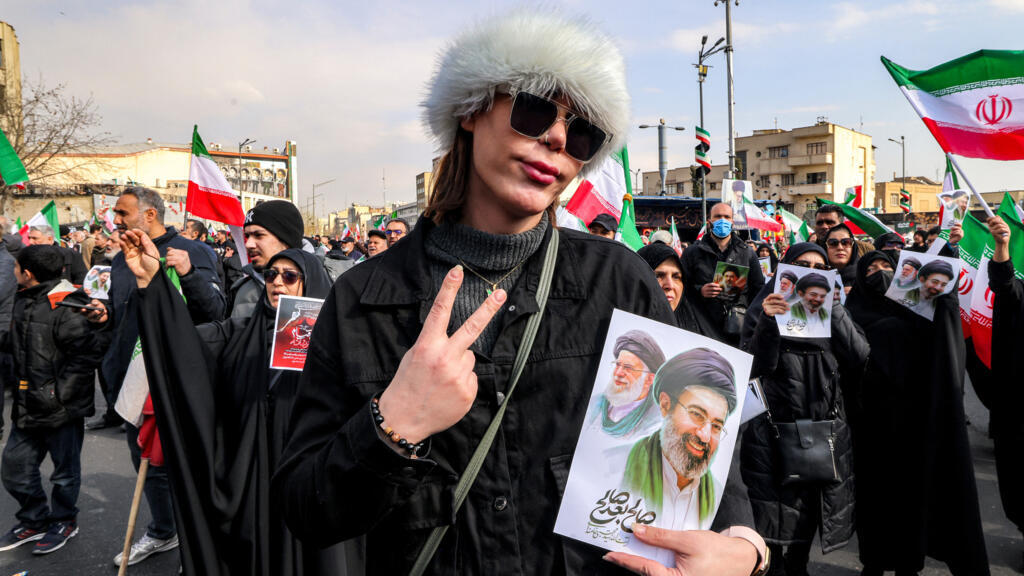
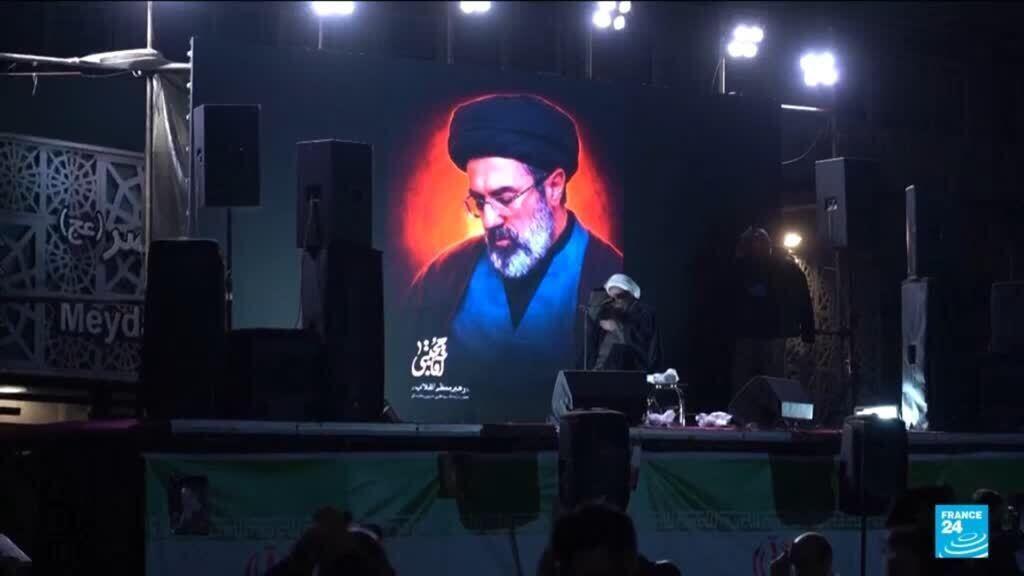
Ayatollah Ali Khamenei, Iran's supreme leader since 1989, has been killed at the age of 86 due to an Israeli airstrike, as reported by multiple sources. The attack occurred during a joint operation between Israel and the United States, which targeted Tehran on Saturday morning. Israeli officials and various media outlets confirmed Khamenei's death, marking a significant event in the ongoing conflict in the region. The Iranian Independent Filmmakers Association has expressed support for the U.S. and Israeli actions that led to Khamenei's assassination, suggesting that this could lead to major political changes in Iran. In the wake of Khamenei's death, there has been a surge of protests across Iran, particularly in Isfahan, where demonstrators are calling for revenge against the United States and Israel. The protests reflect widespread anger and unrest following the assassination, with large crowds chanting and marching in various cities. This unrest coincides with Iran entering a 40-day period of national mourning for the deceased leader. Iranian President Pezeshkian has stated that the country is duty-bound to avenge Khamenei's killing, indicating a potential escalation in hostilities. The situation has raised concerns about the future stability of the Islamic Republic and the risk of further regional instability as the conflict continues to unfold.
Advertisement
Cluster Activity
Lindy Score Breakdown (V4.2)
Story Timeline
- 2026-02-28
- 2026-03-01Iran's supreme leader dead at 86: Who was Ali Khamenei? (current)
- 2026-03-02
- 2026-03-03
- 2026-03-04
- 2026-03-07
- 2026-03-08
- 2026-03-09
Score BreakdownRisk 25
Stories gain Lindy status through source reputation, network consensus, and time survival.
Same Story from 11 sources


Breaking Similar stories





Anti-Lindy Similar stories