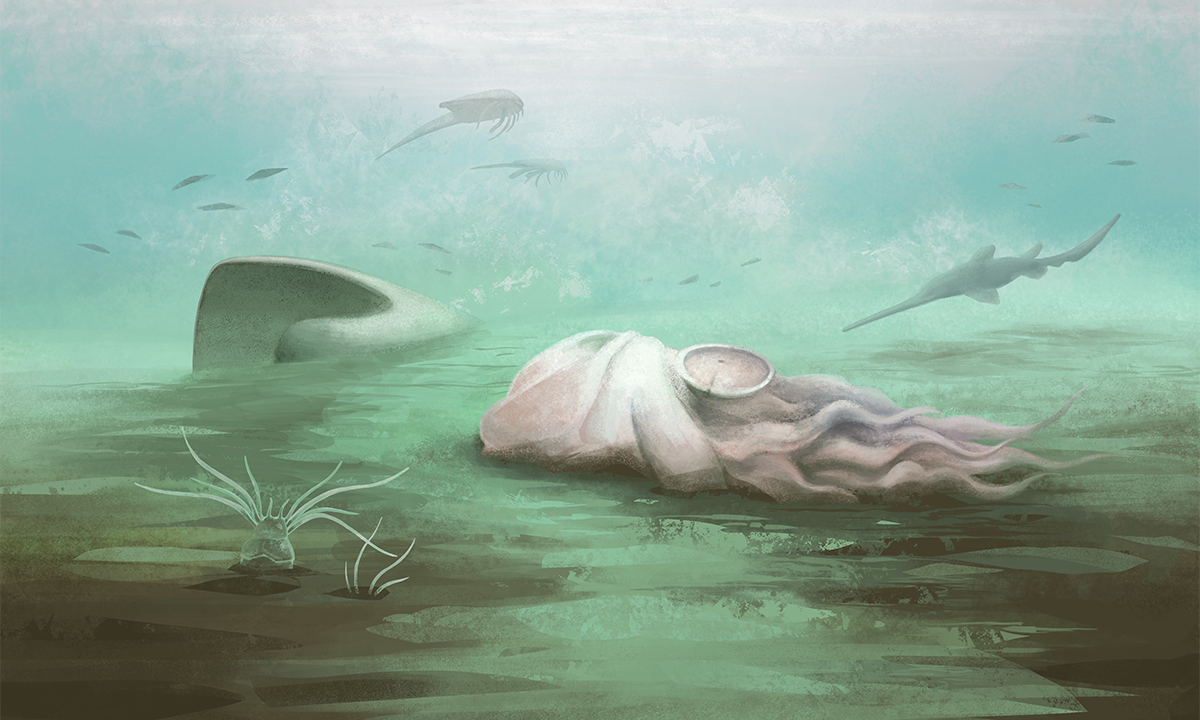
The Nativist Dogma Of Ecology
3 Quarks Daily • 2/23/2026
Summary
Carlos Santana, in his article "The Nativist Dogma Of Ecology" published in Aeon Magazine, discusses the moral complexities surrounding invasive species within the field of ecology. He notes that invasive species occupy a unique moral position, as they are often the only part of nature that society is instructed not to love. This perspective raises questions about the underlying values that inform ecological science and conservation efforts. Santana argues that the prevailing nativist dogma in ecology promotes a prejudice against invasive species, which can distort scientific understanding. This bias not only affects how invasive species are perceived but also undermines the broader concept of wildness. The article emphasizes that such a narrow viewpoint can limit the appreciation of ecological diversity and the complexities of ecosystems. The discussion in "Conservation’s prejudice," also by Carlos Santana, further elaborates on how this nativist perspective influences conservation practices. It suggests that the bias against invasive species may lead to a misunderstanding of their role in ecosystems and the potential benefits they can bring. The article highlights the need for a more nuanced approach to ecology that recognizes the value of all species, regardless of their origin. Overall, Santana's work calls for a reevaluation of the moral frameworks that guide ecological science and conservation, advocating for a more inclusive understanding of nature that does not dismiss invasive species outright.
Advertisement
Story Timeline
- 2026-02-23The Nativist Dogma Of Ecology (current)
Same Story from 2 sources

Breaking Similar stories









Survived Similar stories

Anti-Lindy Similar stories