The Inevitability of Physical Decline and Leadership Succession
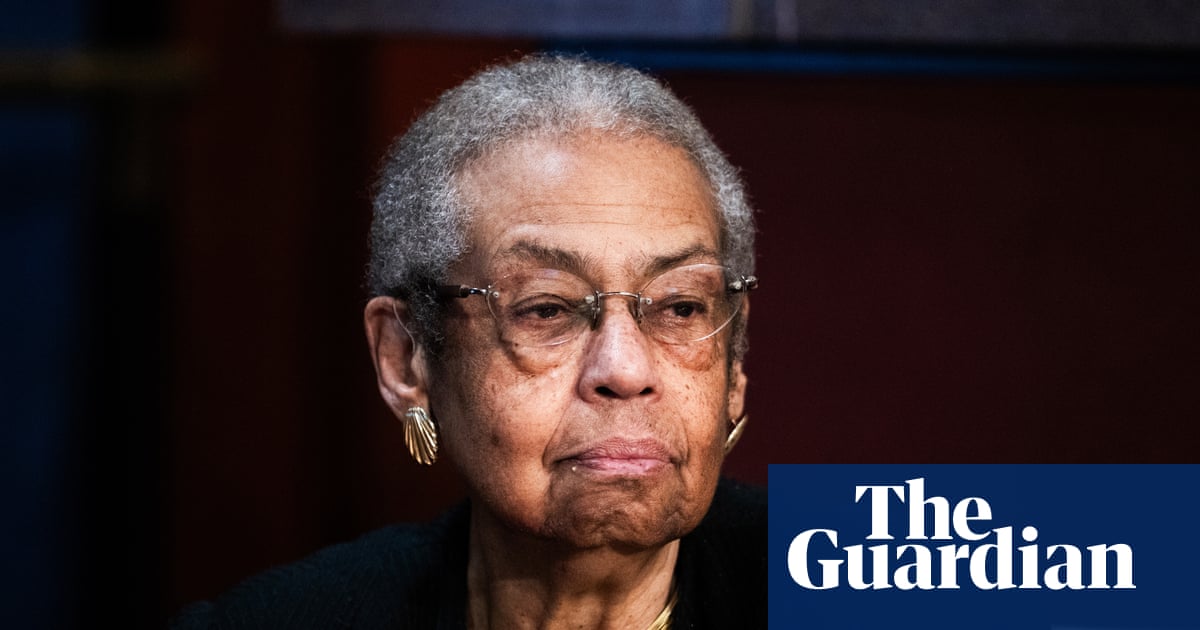
The news cluster details the retirement of 88-year-old Eleanor Holmes Norton, a long-serving delegate, explicitly citing declining health as the reason. This illustrates the timeless concept that even dedicated and influential individuals eventually face the physical limitations imposed by aging, necessitating a transition from their roles. It underscores how biological realities ultimately dictate the terms of public service and leadership, leading to generational change.
The Inevitability of Physical Decline and Leadership Succession: A Lindy Library Perspective
The Lindy Effect, a fascinating heuristic often applied to non-perishable entities, posits that the longer something has survived, the longer it is likely to continue to survive. An idea, a technology, or an institution that has endured for centuries often possesses an inherent robustness that bodes well for its future. Yet, when we turn this lens to the human individual, particularly those in positions of enduring leadership, we confront a poignant counter-Lindy truth: the longer an individual has served, the closer they are, by biological necessity, to the end of their tenure.
This stark reality is brought into sharp focus by the recent news of Eleanor Holmes Norton’s retirement. For over three decades, Ms. Norton, at 88 years old, has been the formidable, tireless voice of Washington, D.C., advocating for statehood and civil rights with an unwavering commitment. Her legacy is profoundly Lindy, representing a struggle and an institution that has persisted for generations. However, her decision to step back, explicitly citing declining health, reminds us that even the most dedicated and influential individuals are ultimately subject to the immutable laws of biology. Personal Lindy, unlike institutional Lindy, has a fixed, albeit unpredictable, expiration date.
The physical decline that comes with aging is an inescapable facet of the human condition, affecting all, regardless of their power, wisdom, or historical impact. It is a universal constant that has, across eras and cultures, dictated the terms of leadership succession. From ancient empires to modern democracies, the body's eventual weakening necessitates a transition, often bringing about generational change and new perspectives. This isn't merely a matter of personal health; it's a fundamental mechanism for societal renewal.
Consider the twilight of Sir Winston Churchill’s second premiership in the 1950s. A titan of the 20th century, whose wartime leadership had saved Britain, Churchill returned to Downing Street a revered but aging figure. Despite his monumental intellect and fierce will, his physical health was in steady decline. He suffered multiple strokes, some kept secret from the public, and his stamina waned. The question of his succession became a constant, delicate undercurrent in British politics, with Anthony Eden patiently (and sometimes impatiently) waiting in the wings. Churchill’s reluctance to cede power, understandable given his lifelong dedication, clashed with the inescapable reality of his aging body, creating a period of palpable tension and uncertainty until he finally retired in 1955. This was not a failure of will, but a surrender to the inevitable biological clock.
Eleanor Holmes Norton's retirement, like Churchill's before her, underscores this profound paradox. While societies and institutions often benefit from the Lindy wisdom of long-serving figures, their very longevity brings them closer to the point where their physical capacity can no longer match their enduring spirit. This biological certainty forces a necessary, if sometimes difficult, hand-off. It is the perpetual tension between the irreplaceable experience of the past and the indispensable vigor of the future. How, then, do societies best honor the Lindy wisdom of their elder leaders while gracefully, and effectively, preparing for the anti-Lindy reality of their eventual departure?