The Elusiveness of Truth and Justice
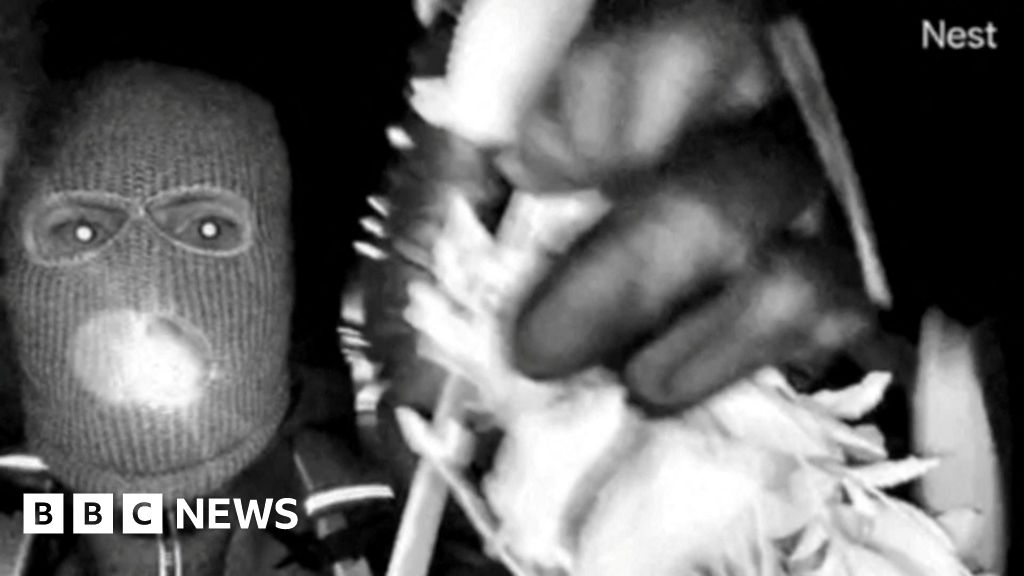
This news cluster vividly illustrates how, even with massive law enforcement resources, high public interest, and significant investigative efforts (DNA analysis, surveillance footage, multiple detainments), the truth behind a disappearance can remain stubbornly out of reach. Despite numerous leads and persons of interest, the investigation repeatedly hits dead ends, with no arrests made and the central mystery of Nancy Guthrie's whereabouts unresolved. This highlights the inherent difficulty in uncovering facts and achieving justice when evidence is scarce or misleading, and the perpetrator remains at large.
The Shadow Play of Truth and Justice
The disappearance of Nancy Guthrie, mother of a prominent news anchor, has unfolded as a stark, public demonstration of a timeless human predicament: the elusiveness of truth and justice. Despite an outpouring of resources – FBI involvement, DNA analysis, extensive surveillance footage, multiple detainments, and relentless media attention – the central mystery persists. Leads emerge and then dissipate, persons of interest are questioned and released, and the fundamental questions of what happened, where she is, and who is responsible remain stubbornly unanswered. This is not merely a failure of modern policing or technology; it's a window into an ancient, recurring challenge that has haunted societies across all eras. The very idea that truth can be elusive, and consequently, justice unattainable, is as old as human civilization itself. It stems from the inherent fragility of evidence, the fallibility of human perception and memory, and the deliberate obfuscation by those who seek to evade accountability. We crave clarity, a definitive narrative, especially when an injustice has occurred. Our legal systems are built on the premise that truth can be discovered, proven, and then used to render justice. Yet, the real world often defies this neat construction, presenting us with fragments, shadows, and silence. When facts are scarce or contradictory, when the crucial piece of the puzzle is simply gone, the pursuit of truth transforms into a frustrating chase after a phantom. Throughout history, countless cases have echoed this struggle. Pontius Pilate’s famous, rhetorical question, "What is truth?" to Jesus, encapsulates a skepticism that has permeated legal and philosophical thought for millennia. How do we truly know? How can we be certain? One need only look to the chilling historical mystery of the Princes in the Tower.

In 1483, two young boys, Edward V and his brother Richard, Duke of York, were confined to the Tower of London and subsequently vanished. Despite their royal status and the immense political ramifications, their ultimate fate and the identity of their killer (or killers) have never been definitively established. Centuries of speculation, historical research, and even archaeological efforts have failed to bring forth the irrefutable truth, leaving a permanent stain of unresolved injustice on English history. Today, with all our sophisticated forensic tools, our interconnected databases, and our ability to mobilize vast law enforcement networks, the Nancy Guthrie case reminds us that these fundamental challenges endure. We can analyze DNA, trace digital footprints, and interview countless individuals, but if the critical piece of evidence is never found, if a perpetrator is sufficiently cunning, or if the initial trail grows cold, the machinery of justice grinds to a halt. The collective desire for resolution is palpable, but the reality is often a vast, empty space where answers should be. So, as we watch the determined efforts in Arizona, the question lingers: is our relentless pursuit of truth an optimistic testament to human resolve, or a poignant acknowledgment that some mysteries are simply destined to remain shrouded, leaving justice forever out of reach?