The Bandwagon Effect
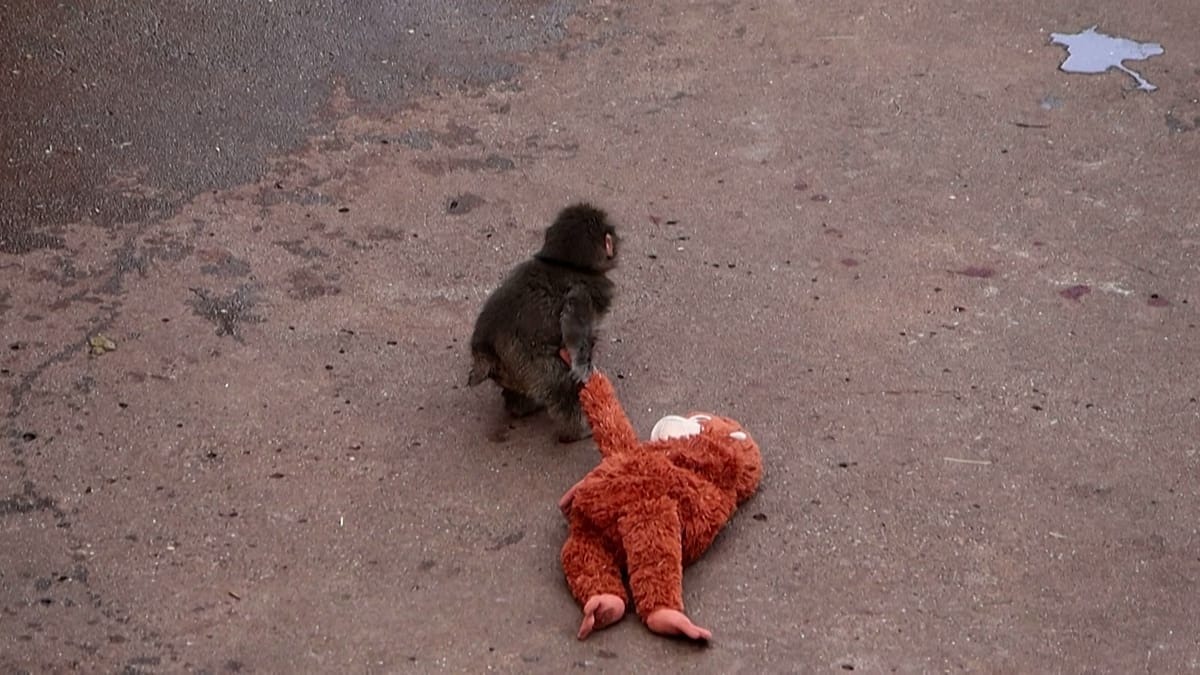
The story illustrates how the widespread popularity of the baby monkey, amplified by social media, creates a self-reinforcing cycle where more people are drawn to visit the zoo simply because others are doing so. The 'viral' status acts as social proof, encouraging a 'flocking' behavior as individuals join the trend. This phenomenon demonstrates how collective interest can drive public engagement and attendance. and connection that human makes with animals as we share a good amount of behaviours
It begins, as so many things do now, with a tiny digital ripple that becomes a veritable tsunami. A baby macaque named Punch, abandoned yet undeniably adorable, captures hearts across screens, and suddenly, a quiet Japanese zoo finds itself at the epicenter of a global pilgrimage. People aren’t just visiting; they are flocking, drawn by the irresistible pull of collective enthusiasm. This isn't merely about a cute monkey; it's a primal dance we humans know all too well, a phenomenon we’ve come to call the Bandwagon Effect.
The term itself, quaintly enough, evokes the image of a circus parade, where musicians and performers ride a decorated wagon, inviting onlookers to "jump on the bandwagon" and join the festivities. Later, it became a political idiom, urging voters to support a candidate simply because they appeared to be winning. At its core, the Bandwagon Effect describes our innate tendency to adopt a certain behavior, belief, or style because a growing number of others are doing so. It’s a powerful form of social proof, a cognitive shortcut that whispers, "If everyone else is doing it, it must be right... or at least worth doing."

Why do we succumb to this allure, generation after generation? Part of it is undoubtedly our social wiring. We are, after all, herd animals, sharing more than a few behavioral parallels with our primate cousins. There’s a comfort in conformity, a desire to belong, and a subtle fear of being left out—the modern-day FOMO, perhaps. When we see crowds gathering, whether around a viral baby monkey or a new cultural trend, our brains often interpret this as a signal of value or importance. It’s an efficient, if sometimes irrational, way to navigate a complex world: follow the crowd, and you're less likely to stray too far from the path.
History is replete with grand, sometimes bewildering, examples of this collective sway. Consider the infamous Tulip Mania that gripped 17th-century Netherlands. For a brief, intoxicating period, the price of tulip bulbs, particularly those with striking "broken" patterns caused by a virus, soared to astronomical heights. People mortgaged homes, invested life savings, and traded entire estates for single bulbs, not because of their inherent utility or beauty, but because everyone else was doing it, and everyone believed prices would only continue to rise. The frenzy was self-perpetuating, fueled by the sheer number of participants, until, inevitably, the bubble burst, leaving fortunes shattered in its wake. It was a speculative fever, driven almost entirely by the perception of widespread interest and the desire to join the burgeoning ranks of the newly rich.
Today, the digital age has amplified this ancient human tendency to an unprecedented degree. Social media platforms, with their instantaneous reach and visible metrics of popularity, are perfect incubators for bandwagons. A single adorable image of Punch, shared and liked millions of times, creates a digital current that translates directly into physical foot traffic at a zoo. The viral status itself becomes the primary attraction, a testament to the power of shared attention. We visit not just to see the monkey, but to participate in the phenomenon, to be part of the collective experience that everyone else is talking about.
So, as we watch the throngs gather, cameras poised, captivated by a tiny creature, we might ask ourselves: are we truly drawn by Punch's unique charm, or by the magnetic pull of the crowd that got there first, beckoning us to join their shared delight?