Soft Power
Bad Bunny's historic Grammy win signifies the growing cultural influence of Latin music and culture on a global stage. He strategically leverages this immense cultural appeal and his widespread popularity to advocate for specific political stances, such as criticizing U.S. immigration policies. This illustrates how cultural products and figures can generate 'soft power' to shape preferences and influence political discourse without coercion.
Soft Power in the Age of Bad Bunny
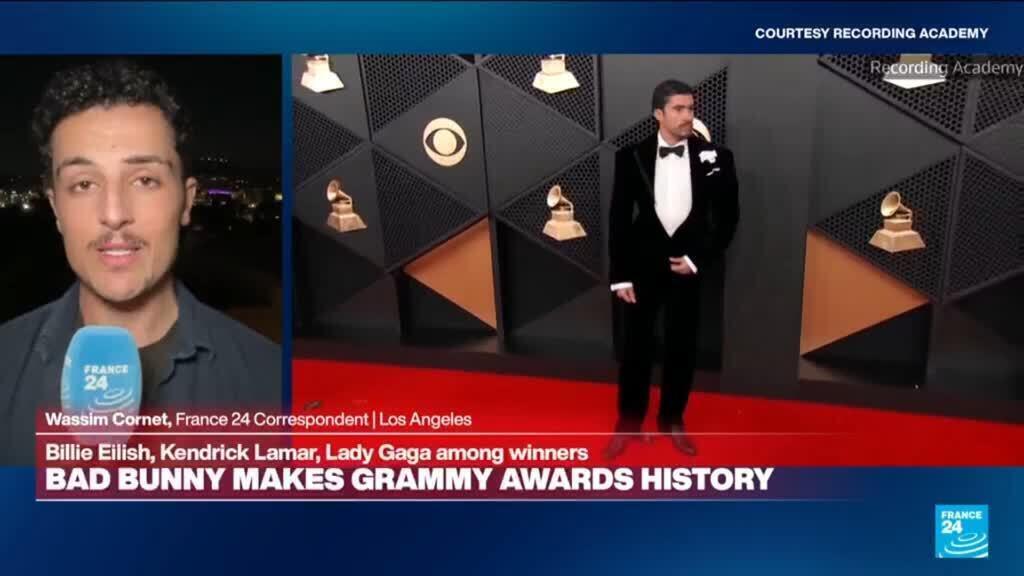
When Bad Bunny took the stage at the Grammy Awards, clinching Album of the Year for Un Verano Sin Ti – a historic first for a Spanish-language record – it wasn't just a win for an artist. It was a thunderclap, a seismic shift in the cultural landscape. But what followed was equally, if not more, significant: his swift pivot to criticizing U.S. immigration policies, weaving his activism into the very fabric of his global triumph. This wasn't merely a celebrity airing grievances; it was a potent demonstration of what we've come to call soft power.

The term, coined by political scientist Joseph Nye in the late 1980s, refers to the ability to attract and co-opt rather than coerce, using culture, political values, and foreign policies. Unlike the blunt force of military might or economic sanctions – what Nye termed "hard power" – soft power works by shaping preferences, making others want what you want. It's the whisper, not the shout; the allure, not the threat. It suggests that the most lasting influence often comes not from dictating terms, but from inspiring admiration and cultivating shared values.
This subtle form of influence, however, is hardly new. Throughout history, empires and nations have wielded cultural appeal to extend their reach. Consider the Cold War era: while the U.S. and Soviet Union stood eyeball to eyeball with nuclear arsenals, another battle was waged in the hearts and minds of people worldwide. American jazz, Hollywood films, blue jeans, and Coca-Cola became symbols of freedom and prosperity, subtly undermining the rigid narratives of communism. It wasn't about bombs, but about a lifestyle, an idea, a dream that resonated far beyond its borders, making the American way of life seem aspirational, even irresistible, to those behind the Iron Curtain.

Today, Bad Bunny embodies this phenomenon with startling clarity. His music, a vibrant fusion of reggaeton, trap, and Latin rhythms, transcends linguistic barriers, captivating audiences from Tokyo to Buenos Aires. His distinctive style, his unapologetic embrace of identity, and his charismatic persona have made him a cultural icon. When such a figure speaks out on issues like immigration, his words carry an immense weight not because he holds political office, but because he commands immense cultural capital. His fans don't just listen to his music; they engage with his worldview, they feel a connection to him and what he represents. This makes his advocacy incredibly effective, shaping public opinion and even influencing policy discussions without the need for traditional political leverage.
In a world increasingly interconnected yet deeply divided, the ability to inspire and attract is perhaps more valuable than ever. Bad Bunny's moment at the Grammys reminds us that power isn't solely held in the hands of governments or armies, but also in the beats that move us, the stories that resonate, and the figures who embody our evolving cultures. But as this cultural influence grows, how do we navigate the line between genuine advocacy and the commercialization of conscience, and what happens when the soft power of an artist clashes with the hard power of states?