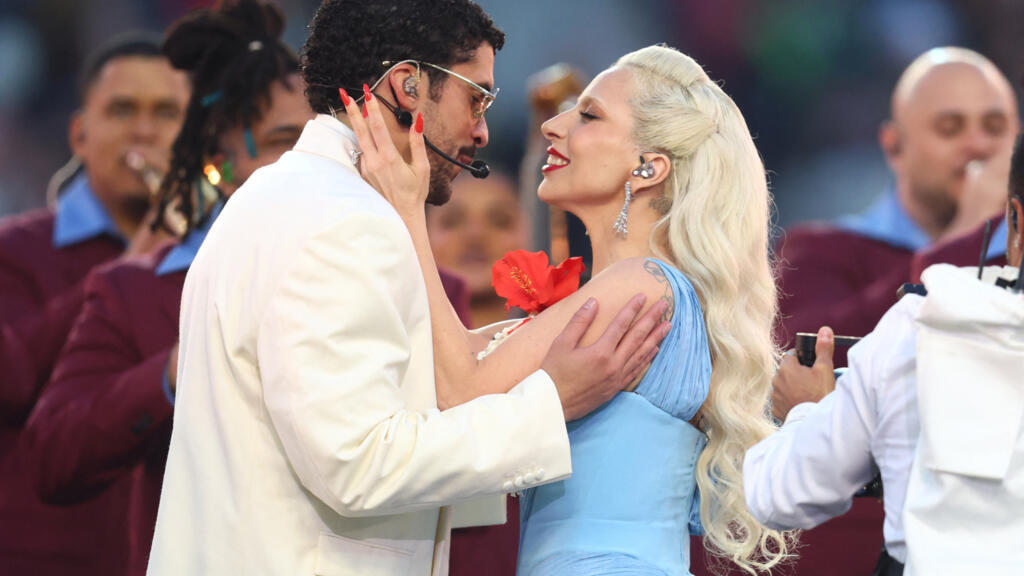
Societal Reflection through Cultural Events
The Super Bowl, as a highly visible and widely consumed cultural event, acts as a powerful mirror reflecting the prevailing sentiments, values, and trends of a society at a given time. Its entertainment and advertisements encapsulate the current hopes and anxieties, providing a snapshot of the national zeitgeist and illustrating how major cultural phenomena often serve as barometers of collective consciousness.
Societal Reflection Through Cultural Events: The Super Bowl as a National Mirror
There's a peculiar magic to grand cultural spectacles, an almost alchemical process by which they transmute the diffuse anxieties and aspirations of a populace into something tangible, something seen. We gather, we watch, we participate, and in doing so, we unwittingly hold up a mirror to ourselves. The Super Bowl, that annual American behemoth of sport and spectacle, is perhaps our most potent contemporary example of this phenomenon.
The idea isn't new; it's practically Lindy. From ancient rituals to medieval pageants, humanity has always used communal events to articulate, reinforce, or even challenge its core beliefs. These aren't just mere diversions; they are grand, public performances of what we deem important, what we fear, and what we dream. They are, in essence, a societal conversation, played out on a massive stage, often reflecting the zeitgeist of the moment.

Consider the Roman games. Far from being simple athletic contests, these gladiatorial combats and chariot races were meticulously choreographed events of imperial propaganda and social cohesion. They reinforced hierarchies, celebrated military might, and offered a controlled release valve for public sentiment. As the historian Kyle Harper notes:
“The games were the language of power, articulated in blood and spectacle, reflecting the emperor’s munificence and the Roman people’s collective identity.”
The roar of the crowd, the symbolism of the contests, the lavishness of the production – all spoke volumes about Rome at its peak, and later, in its decline, serving as a powerful barometer of collective consciousness.
Fast forward millennia, and the echoes are unmistakable. Imagine the Super Bowl 2026. As America’s most-watched television event, it will undoubtedly be more than just a football game. Its halftime show, its carefully crafted advertisements, even the pre-game narratives, will coalesce into a snapshot of the national zeitgeist. Are we grappling with economic uncertainty? Expect ads promising resilience and value. Is there a surge in national optimism? Look for themes of innovation and boundless possibility. The entertainment acts, their choice of songs and messages, will not be accidental; they will be curated to resonate with, and perhaps subtly shape, the current cultural mood, reflecting our collective hopes and anxieties.
This enduring human need to see ourselves reflected in our grandest gatherings is profoundly Lindy. It's a pattern that recurs because it serves a fundamental communal purpose: to solidify identity, to air grievances, to celebrate triumphs, and to collectively process the ongoing drama of existence. These events, whether ancient or modern, are not just for society; they are of society, an externalization of its internal landscape.
But as we gaze into this cultural mirror, what do we truly wish to see? And more importantly, what truths are we perhaps inadvertently choosing to ignore, even as the spectacle unfolds?