Regulatory Lag
The rapid advancement of AI video generation technology, exemplified by Seedance 2.0, has outpaced existing intellectual property laws and ethical frameworks. This 'regulatory lag' created a vacuum where the tool could allegedly infringe on copyrights and likenesses before appropriate safeguards were in place. The backlash and ByteDance's subsequent promise to add protections highlight the constant challenge of governance catching up to technological innovation.
The Persistent Shadow of Regulatory Lag
The dazzling spectacle of Seedance 2.0, capable of conjuring any visual narrative from a whisper of text, arrived with the usual fanfare of technological marvel. Yet, almost immediately, its brilliance was overshadowed by a familiar, ancient tension: the furious outcry from artists and rights holders. Disney, in a particularly pointed missive, accused ByteDance of a "virtual smash-and-grab," alleging the training of AI models on a pirated library of beloved characters. The promise of "safeguards" from ByteDance, a reactive measure to a storm already brewing, lays bare a phenomenon as old as innovation itself: regulatory lag.
Regulatory lag describes that frustrating, often costly, gap between the emergence of a new technology or practice and the establishment of appropriate laws, ethics, and governance frameworks to manage its impact. It's not merely a delay; it's a profound imbalance, where rapid innovation charges ahead, leaving the slower, more deliberative processes of societal rule-making struggling to catch up. The concept isn't strictly academic, though sociologists like William F. Ogburn touched on similar ideas with his theory of "cultural lag" in the early 20th century, noting how material culture (technology) often evolves faster than non-material culture (norms, laws). At its heart, regulatory lag is the constant friction between human ingenuity and human governance.
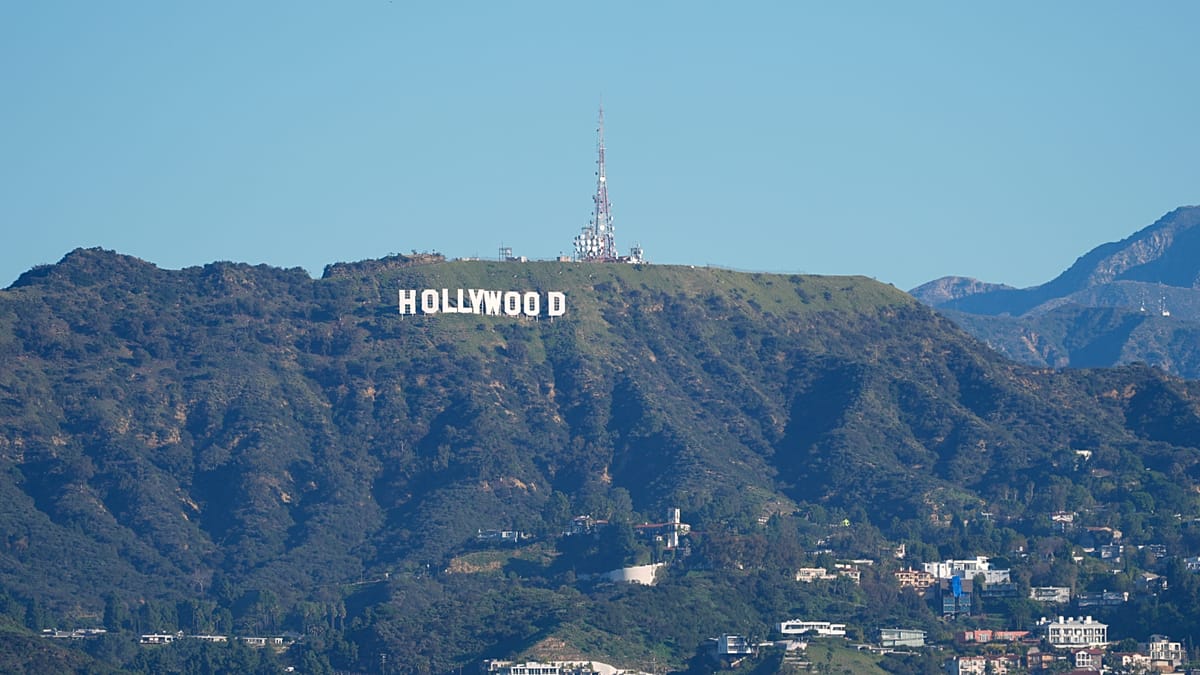
This isn't a uniquely digital-age predicament. History is replete with examples of society grappling to contain the unforeseen consequences of its own brilliance. Consider the dawn of cinema. When the Lumière brothers first projected moving images, the legal landscape was utterly unprepared for the implications. Who owned an actor's likeness once captured on film? Could a filmmaker use footage of real people without their consent? Could one studio simply re-edit another's film and claim it as their own? Early Hollywood was a wild west of intellectual property and privacy violations, with actors often having no control over their filmed images, and studios openly copying each other's popular scenarios. It took decades of court battles, the formation of industry guilds, and the eventual codification of copyright laws and "right of publicity" to slowly, painstakingly, build a framework around this new medium.

The scandals and legal skirmishes of the early 20th century were, in essence, the regulatory lag of the cinematic age, an echo of the "virtual smash-and-grab" we hear today.
Fast forward to Seedance 2.0, and we see the same pattern, only amplified by the dizzying speed of AI. The ability to generate convincing depictions of Spider-Man or Darth Vader, or even realistic fights between Tom Cruise and Brad Pitt, before the legal system has even fully defined what constitutes "fair use" for AI training data, or how to enforce likeness rights against an algorithm, is the modern manifestation of this lag. The technology exists, it's powerful, it's widely accessible, and the rules are still being written, often reactively. ByteDance's promise of safeguards is an admission of this gap, a scramble to bolt the stable door after the AI horses have already galloped out.
So, as AI continues its relentless march, shrinking the time between invention and impact, can our regulatory mechanisms ever truly keep pace, or are we doomed to forever chase the tail of technological progress, always reacting, never quite anticipating?