Physiological Plasticity: The Brain's Adaptation to Microgravity
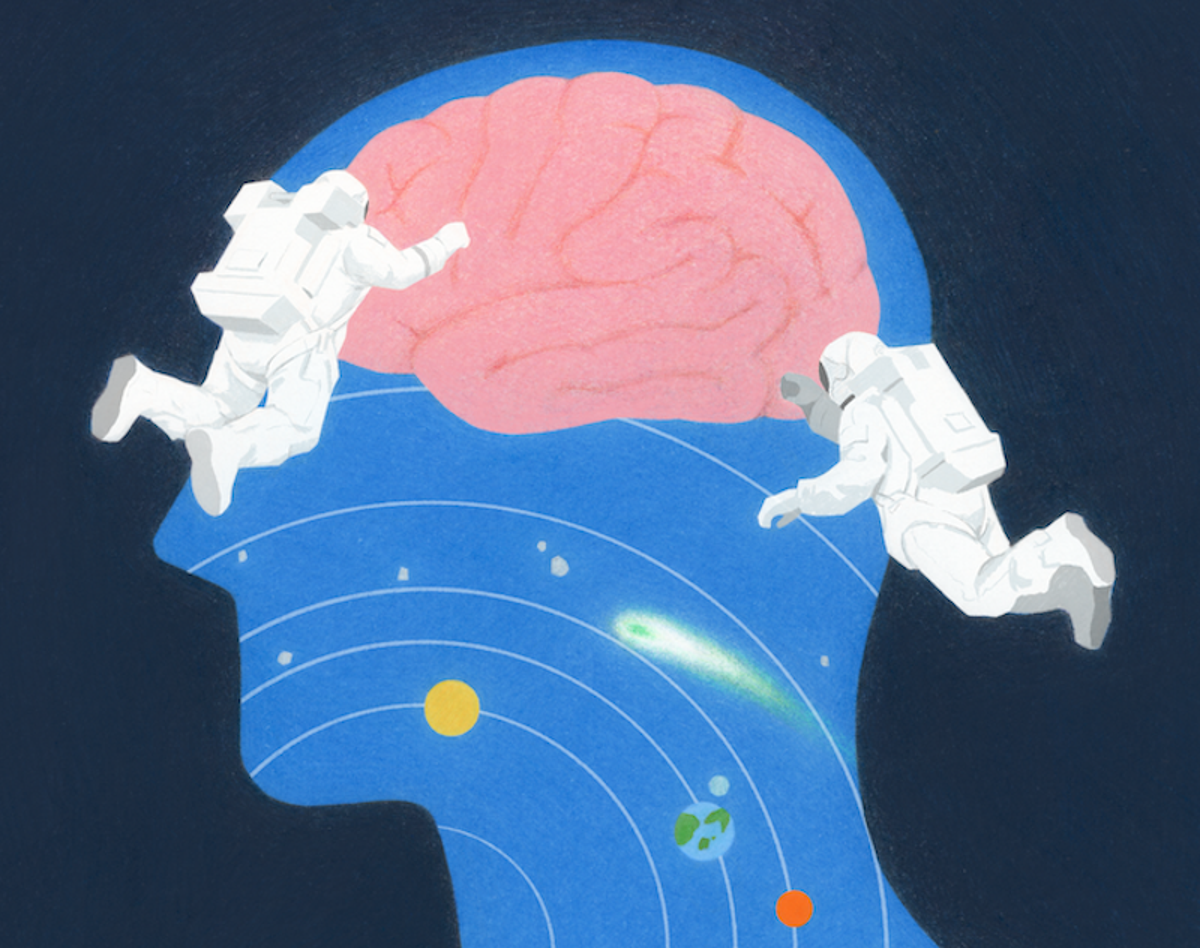
The news cluster details how spaceflight induces significant physical changes in the brain's position and structure. This phenomenon directly illustrates the concept of physiological plasticity, which refers to the ability of an organism's physiological systems to change and adapt in response to environmental stimuli or stressors. In this case, the extreme environment of microgravity triggers a structural reorganization within the brain, demonstrating the body's remarkable capacity for adaptation at a fundamental biological level. The study highlights that the brain is not a static organ but a dynamic system capable of physical alteration to cope with novel conditions, even if the long-term implications are still being investigated.
Physiological Plasticity: The Brain's Unseen Dance in Microgravity
The human body, it seems, is an even more astonishingly adaptable vessel than we often give it credit for. Consider the latest dispatches from the final frontier: astronauts, those intrepid pioneers, return to Earth not just with tales of cosmic grandeur, but with brains that have literally shifted within their skulls. Upward, backward, a subtle deformation – a silent, physical testament to the extreme environment of space. This isn't just a curious side-note; it's a profound, visceral illustration of something we call physiological plasticity.
At its heart, physiological plasticity is the body's remarkable capacity to re-sculpt itself, to adjust its very architecture and function in response to the world it inhabits. It's the antithesis of a static machine; instead, it imagines us as dynamic, ever-changing organisms, constantly recalibrating our internal systems to meet external demands. While modern science, with its MRI scans and space missions, brings us startling new evidence, the fundamental idea that our bodies are not immutable statues but rather pliable clay has echoed through human understanding for millennia. From ancient Olympic athletes who understood that consistent training could visibly transform their musculature and endurance, to healers across cultures who observed how diet and climate subtly altered health and physique, the principle has always been there, lurking just beneath the surface of our awareness.

Perhaps one of the most compelling, albeit less dramatic, historical examples comes from the Moken people, often called "sea gypsies," who live off the coast of Thailand and Myanmar. For generations, their lives have revolved around the ocean, with much time spent diving for food. Research has shown that Moken children possess an extraordinary ability to see underwater with remarkable clarity, an acuity far surpassing that of European children. This isn't magic; it's a physiological adaptation. Through repetitive training from a young age, they learn to constrict their pupils and change the shape of their eye lenses to optimize underwater vision – a demonstrable, physical alteration of an organ to suit an environmental niche. Their eyes, like our astronauts' brains, aren't fixed; they're responsive, capable of a profound physiological shift.
And now, we see this ancient principle playing out in the most futuristic of settings. The brain, long considered the ultimate command center, fixed and formidable, reveals its own surprising malleability. Microgravity, that profound absence of the familiar pull, acts as an unprecedented stimulus, prompting the very organ of thought to find a new equilibrium. What's particularly intriguing is that, for now, these shifts in brain position and structure don't appear to be detrimental to the astronauts' health or cognitive function. The brain, it seems, just finds a new way to sit, a new way to be. This remarkable resilience compels us to wonder: what are the true limits of this physiological reshaping? And as humanity reaches further into the cosmos, what deeper, perhaps less benign, adaptations might our bodies undertake in the vast, alien silence?