Optimization Through Innovation
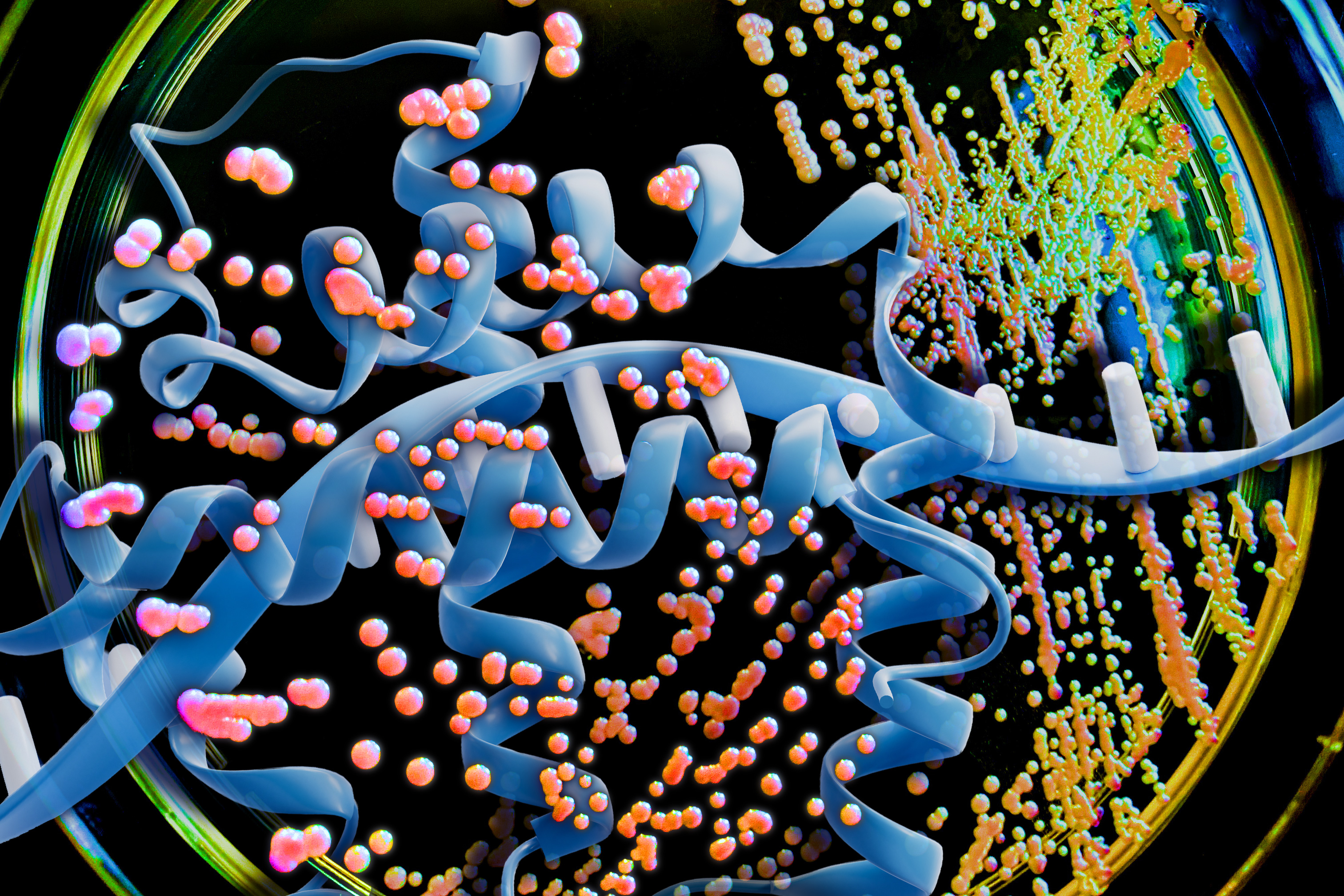
The news cluster illustrates how artificial intelligence serves as a powerful innovation to optimize complex biological processes, specifically yeast DNA for protein production. This technological advancement directly leads to increased efficiency and reduced costs in drug manufacturing, embodying the timeless drive to improve output and resource utilization through novel methods.
Optimization Through Innovation: A Timeless Pursuit
It's truly fascinating to observe how the ancient human drive to do more with less finds its latest, most sophisticated expression in our current technological marvels. Take, for instance, the recent breakthroughs where artificial intelligence learns the very "language" of yeast DNA. This isn't just a clever trick; it's a profound leap in optimizing complex biological processes to churn out vital proteins for drugs, vaccines, and other compounds. By decoding and re-engineering these microbial powerhouses, AI promises to significantly reduce the time and cost associated with developing and manufacturing essential biopharmaceuticals. This isn't just innovation; it's optimization through innovation – a recurring theme in the human story, as enduring as storytelling itself.
At its heart, optimization through innovation isn't merely about tweaking existing processes for marginal gains. It's about fundamentally rethinking the approach, often leveraging a novel understanding or a breakthrough technology to achieve unprecedented levels of efficiency and output. It’s the realization that a problem isn't just solvable, but solvable in a radically better way. This impulse isn't new; it echoes across epochs and cultures, driven by a blend of necessity, curiosity, and the relentless desire to overcome limitations. Consider, for instance, the seismic shift wrought by Johannes Gutenberg's movable type in the 15th century. Before Gutenberg, the dissemination of knowledge was a painstakingly slow and expensive endeavor. Scribes meticulously copied texts by hand, a process fraught with error, inefficiency, and prohibitive costs that kept books – and thus, widespread literacy – a luxury for the privileged few.
The innovation of movable type wasn't just a new way to write; it was a revolutionary method to mass-produce information. Suddenly, books could be printed faster, cheaper, and with far greater accuracy than ever before. This wasn't merely an improvement; it was a complete optimization of the knowledge production and distribution system, democratizing access to ideas and fueling the Renaissance and Reformation. It directly led to increased efficiency and reduced costs in the manufacturing of books, much like AI now promises to do for protein drugs.
From clay tablets to AI models, the medium changes, but the underlying narrative remains consistent: the application of novel methods to elevate output and refine resource utilization. The printing press optimized the replication of human thought; AI now optimizes the biological machinery of life itself. Both represent a profound extension of human capability, transforming scarcity into abundance and making the previously impossible, commonplace. As we stand on the precipice of increasingly sophisticated AI, one must wonder: what new efficiencies will be unlocked, and what fundamental aspects of human endeavor will be irrevocably transformed in the relentless pursuit of doing more, better, faster, and cheaper?