Global Interdependence
This story exemplifies global interdependence, as geopolitical conflicts in the Middle East directly cause global recession fears and significant spikes in crude oil prices. It demonstrates how localized events in key resource-producing regions can have immediate and far-reaching economic consequences for markets worldwide. The actions of one nation or group quickly impact the global supply chain and investor confidence. Write one paragraph on predicting what will happen within the next month, may be a recession?
A Lindy Essay on Global Interdependence
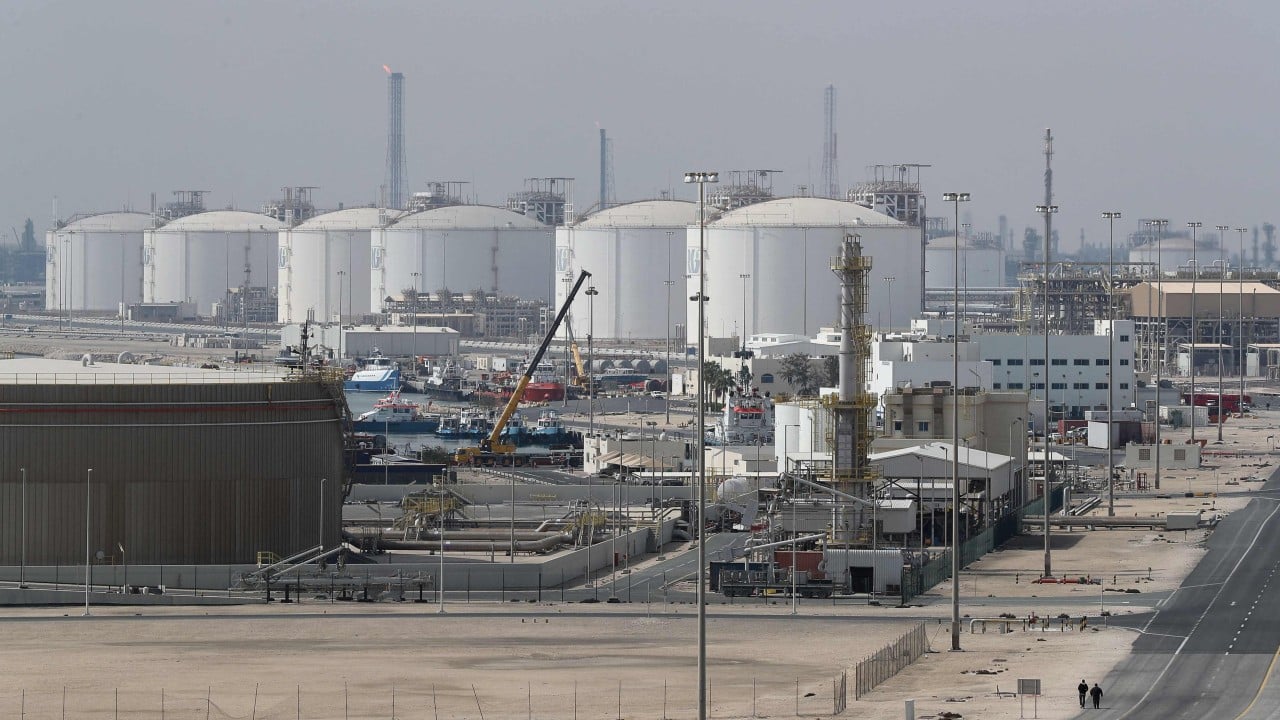
The murmurs of recession, often dismissed as distant whispers, have recently grown into a clamor, driven by the stark reality of geopolitical friction in the Middle East. When energy facilities come under fire in a region vital to global supply, the immediate surge in crude oil prices isn't merely a line item on a financial report; it's a tremor that rattles the foundations of economies worldwide. This visceral connection, where localized events in one corner of the globe ignite widespread economic apprehension, is a potent demonstration of global interdependence—a concept that, like many enduring truths, has a long and fascinating history.
The idea that distant lands and peoples are bound together is hardly a modern invention. From the ancient Silk Road, which intertwined the fates of empires through the exchange of goods, ideas, and even diseases, to the spice routes that fueled maritime exploration and shifted global power, humanity has always been connected. What has changed, however, is the velocity and magnitude of these connections. In earlier eras, news might take months or years to travel; now, an attack on a gas field in Qatar or a port in the Red Sea registers within seconds on trading floors in London, New York, and Tokyo. The technological advancements of the past century, particularly in communication, transportation, and finance, have woven a tapestry so intricate that a tug on a single thread can send ripples through the entire fabric, making the world feel simultaneously smaller and infinitely more complex.

This recurring pattern of localized conflict yielding global economic shock is not without precedent. One need only recall the 1973 Oil Crisis. Following the Yom Kippur War, Arab oil-producing nations imposed an embargo on countries perceived as supporting Israel. What started as a regional political maneuver quickly spiraled into a global economic crisis. Oil prices quadrupled overnight, leading to widespread energy shortages, stagflation, and a profound shift in economic policy across the Western world. Cars lined up for blocks at gas stations, industries grappled with skyrocketing costs, and the collective psyche absorbed a new vulnerability. It was a stark, painful lesson in how vital resources, when concentrated in politically volatile regions, can hold the global economy hostage, echoing the very fears we face today.
Looking ahead, the next month promises continued market volatility. With Iran's retaliatory strikes and Israel's ongoing actions, crude prices, as evidenced by Brent futures rebounding to US$113.53 a barrel, are unlikely to stabilize quickly. Investors will remain gripped by a recession mindset, translating into cautious capital deployment, increased hedging, and a general tightening of belts. While a full-blown global recession might not materialize within this narrow timeframe, the heightened fear itself acts as a brake on economic activity. Businesses will defer investment, consumers will delay purchases, and central banks will find themselves in an even more precarious position, weighing inflation against the risk of stifling growth. The immediate impact will be felt in energy-intensive sectors and supply chains, with the specter of prolonged elevated prices casting a long shadow over the economic outlook for the remainder of the year.
The Lindy effect reminds us that phenomena that have persisted for a long time are likely to continue persisting. Global interdependence, far from being a passing phase, is an accelerating reality, a fundamental characteristic of our shared existence. The threads that bind us grow ever more numerous and taut.
How then, can we truly insulate ourselves, or is the very act of living in a connected world a perpetual dance with these unseen, powerful threads? The answer, perhaps, lies not in isolation, but in a deeper understanding and appreciation of these profound connections.