Freedom of the Press vs. Defamation and Narrative Control
This news cluster vividly illustrates the timeless tension between the principle of freedom of the press and the legal concept of defamation, particularly when a powerful political figure challenges a media organization's portrayal of events. It highlights how legal mechanisms can be employed to contest narratives, influence public perception, and potentially exert pressure on journalistic independence and editorial decisions, touching upon aspects of political science, law, and the dynamics of information control.
reedom, Defamation, and the Lindy Library of Narrative Control
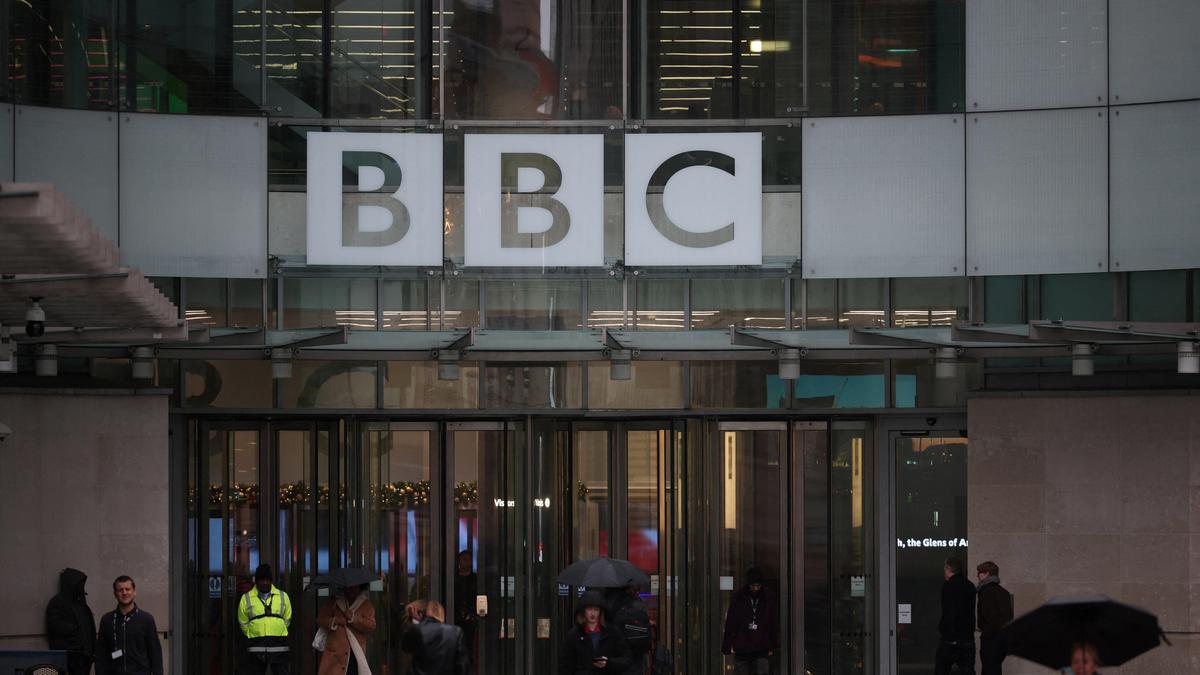
The recent news of a federal judge setting a 2027 trial date for Donald Trump’s US$10 billion defamation lawsuit against the BBC is more than just a headline; it’s a vivid, if somewhat anachronistic, echo of a tension as old as organized society itself. This isn't merely a contemporary political skirmish; it's a recurring drama that speaks to what we might call the "Lindy Library" of human institutions and conflicts.
The Lindy Effect, a concept popularized by Nassim Nicholas Taleb, posits that for certain non-perishable things – like ideas, technologies, or even social structures – their future life expectancy is proportional to their current age. In essence, if something has been around for a long time, it’s likely robust enough to stick around for even longer. When we speak of a "Lindy Library," we’re referring to those fundamental ideas and enduring conflicts that have persisted across eras and cultures, proving their resilience and continued relevance. The friction between a free press and the specter of defamation is a prime occupant of this library, a problem statement that has refused to be solved neatly because it grapples with irreducible human desires: the quest for truth versus the impulse for narrative control.
Consider the trial of John Peter Zenger in colonial New York in 1735. Zenger, a printer, was accused of seditious libel for publishing articles critical of the corrupt colonial governor. The governor, much like powerful figures today, sought to quash dissent and control public perception through legal means. Zenger’s lawyer famously argued that truth should be a defense against libel, a radical notion at the time. The jury’s acquittal of Zenger wasn't just a victory for a printer; it was a foundational moment for press freedom, establishing the principle that a free press, even when critical, serves a vital role in holding power accountable. It was an early, potent clash between the power of the state to dictate truth and the nascent ideal of an independent fourth estate.
Fast forward to today, and the Trump-BBC case, like many high-profile defamation suits, resonates with this ancient struggle. While framed legally as a pursuit of damages for alleged falsehoods, such actions, especially when initiated by powerful political figures, often serve a broader purpose: to challenge, discredit, and ultimately control the prevailing narrative. The sheer scale of the US$10 billion demand, coupled with the extended trial timeline, can exert a chilling effect on journalistic inquiry, prompting media organizations to self-censor or shy away from critical reporting to avoid costly, protracted legal battles. It’s a sophisticated form of pressure, not just on individual journalists, but on the very editorial independence that underpins a robust press.
This enduring tension between the right to report freely and the right to protect one's reputation, between the public's need for information and powerful entities' desire to shape it, suggests that there are no easy answers, no permanent victories. It's a constant negotiation, a delicate balance perpetually at risk of tipping. As we observe these legal battles unfold, one must wonder: in an age where information proliferates and narratives are endlessly contested, how much pressure can the pillars of press freedom withstand before the very foundations of public discourse begin to crumble?