Deindividuation
During the court storming, the UNC fans, immersed in the collective excitement and anonymity of the crowd, exhibited deindividuation. This psychological phenomenon led to a diminished sense of personal responsibility and inhibitions, resulting in aggressive behavior where Duke staff members were reportedly assaulted. The intense rivalry further amplified these emotions within the large group.
The Vanishing Self: Deindividuation in the Fray
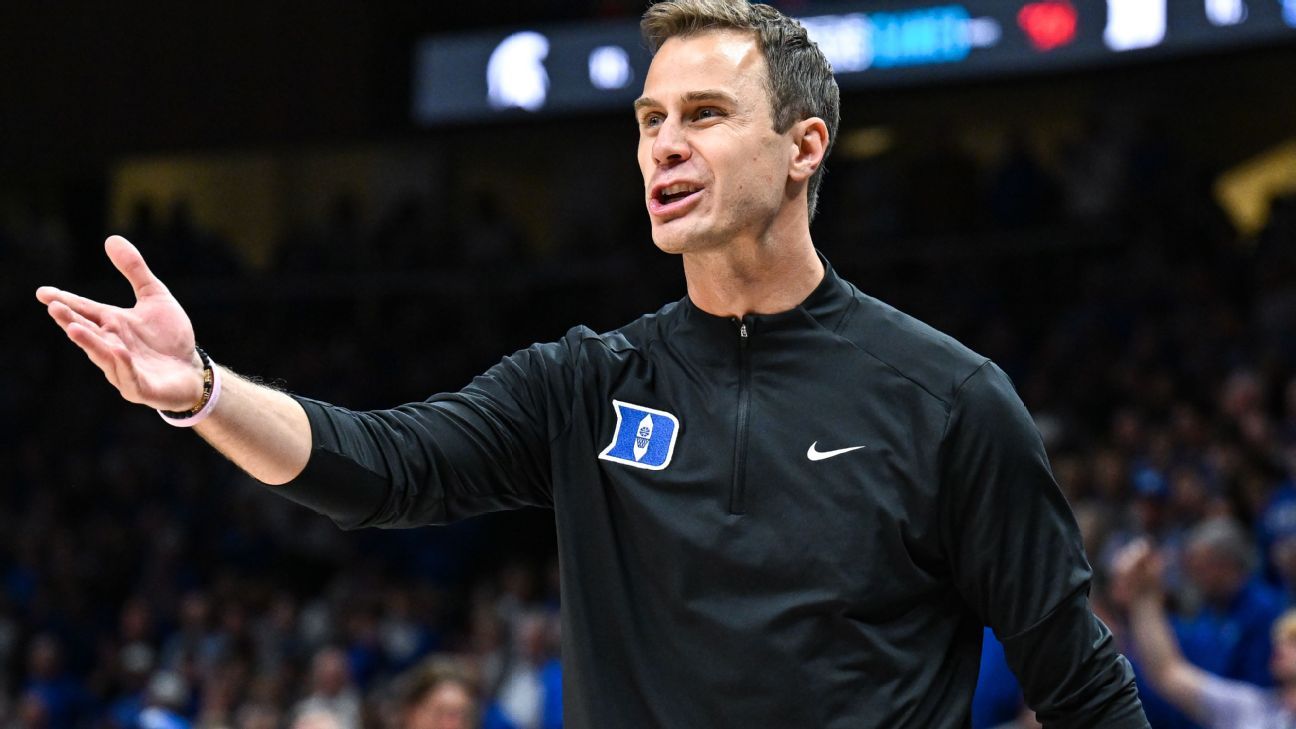
The recent kerfuffle following the UNC court storming, with Duke staff reportedly enduring physical aggression amidst the celebratory chaos, offers a stark, if unfortunate, contemporary illustration of a phenomenon as old as collective humanity itself: deindividuation. Coach Scheyer’s impassioned defense of his staff’s experience, pushing back against claims of "zero evidence" from the local DA, underscores the messy reality of group fervor. What happens when the individual seems to vanish into the crowd, shedding the everyday constraints of personal responsibility?

This psychological state, first explored in nascent forms by Gustave Le Bon in his late 19th-century observations of crowds, and later formalized by psychologists like Leon Festinger and Philip Zimbardo, describes a diminished sense of self-awareness and personal identity that can occur when individuals are part of a large group. It's not merely about anonymity, though that plays a significant role. It's about a confluence of factors: the sheer size of the group, high emotional arousal, a diffusion of responsibility, and a focus away from personal identity towards the collective. In such moments, the individual can feel liberated from the usual social norms and inhibitions, becoming more susceptible to impulsive, and sometimes aggressive, behaviors. The individual's internal moral compass seems to quiet, overridden by the roar of the collective.
Deindividuation is not a modern malady; it's a persistent thread woven through the tapestry of human history. From ancient Dionysian rites where revelers lost themselves in ecstatic abandon, to the terrifying excesses of the French Revolution's mobs, the pattern repeats. Consider the historical accounts of the Ku Klux Klan in the American South, whose members donned hoods and robes not just for secrecy, but to strip away individual identity and foster a collective, often violent, persona. The uniform, the shared purpose, the sheer numbers—all contributed to this potent psychological alchemy, allowing individuals to participate in acts they might otherwise condemn when acting alone and identifiable.
The fervor of a basketball rivalry, while thankfully far removed from such grim historical examples, can tap into similar psychological wellsprings. The sea of blue in Chapel Hill, the shared elation of victory, the perceived 'otherness' of the opposing team's staff – these elements can combine to lower individual thresholds for aggression. It's a testament to the enduring power of the group dynamic that even in seemingly innocuous settings, the subtle erosion of individual identity can lead to regrettable outcomes. We see it in online comment sections, in political rallies, and yes, even on a basketball court.
So, as we grapple with the aftermath of such incidents, where lines are crossed and individuals are harmed, we are left to wonder: is deindividuation an inevitable byproduct of collective human experience, an inescapable shadow that follows our tribal inclinations, or can we, with greater awareness, learn to harness the power of the crowd without succumbing to its darker impulses?